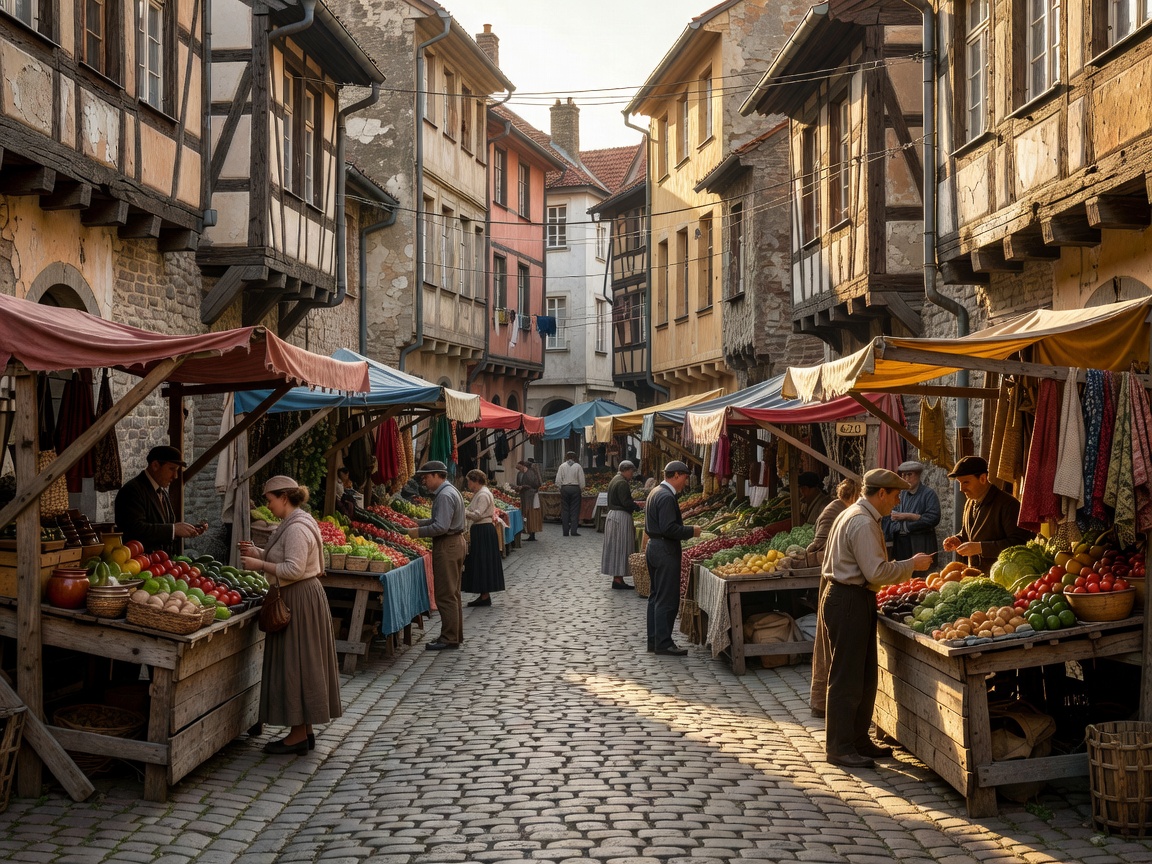
01 / Regions
European antique market regions
Compare northern, western, central, southern, eastern, Alpine, Baltic and Mediterranean traditions.
Read the regional guide →European Antique Market Atlas / 001
A practical guide to antique markets, fairs, collecting districts and regional market culture.
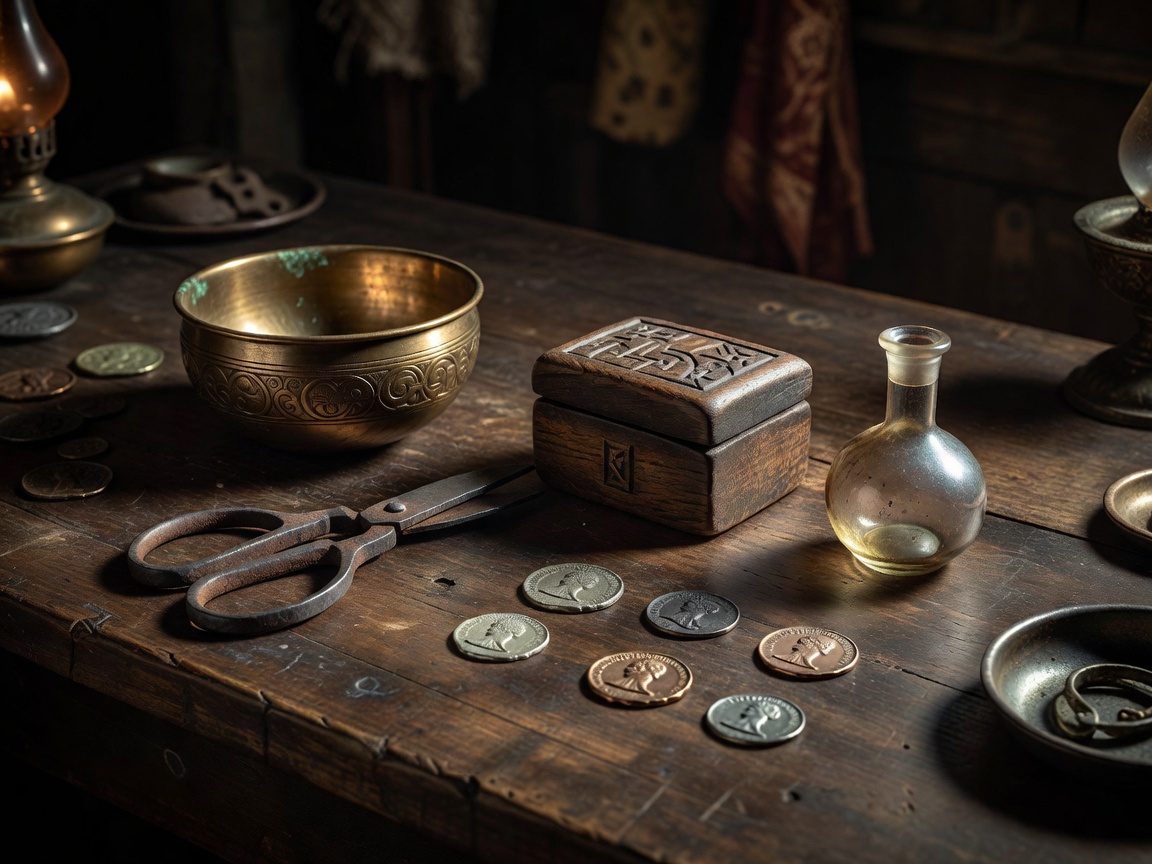
Directory / 005
01 / Regions
Compare northern, western, central, southern, eastern, Alpine, Baltic and Mediterranean traditions.
Read the regional guide →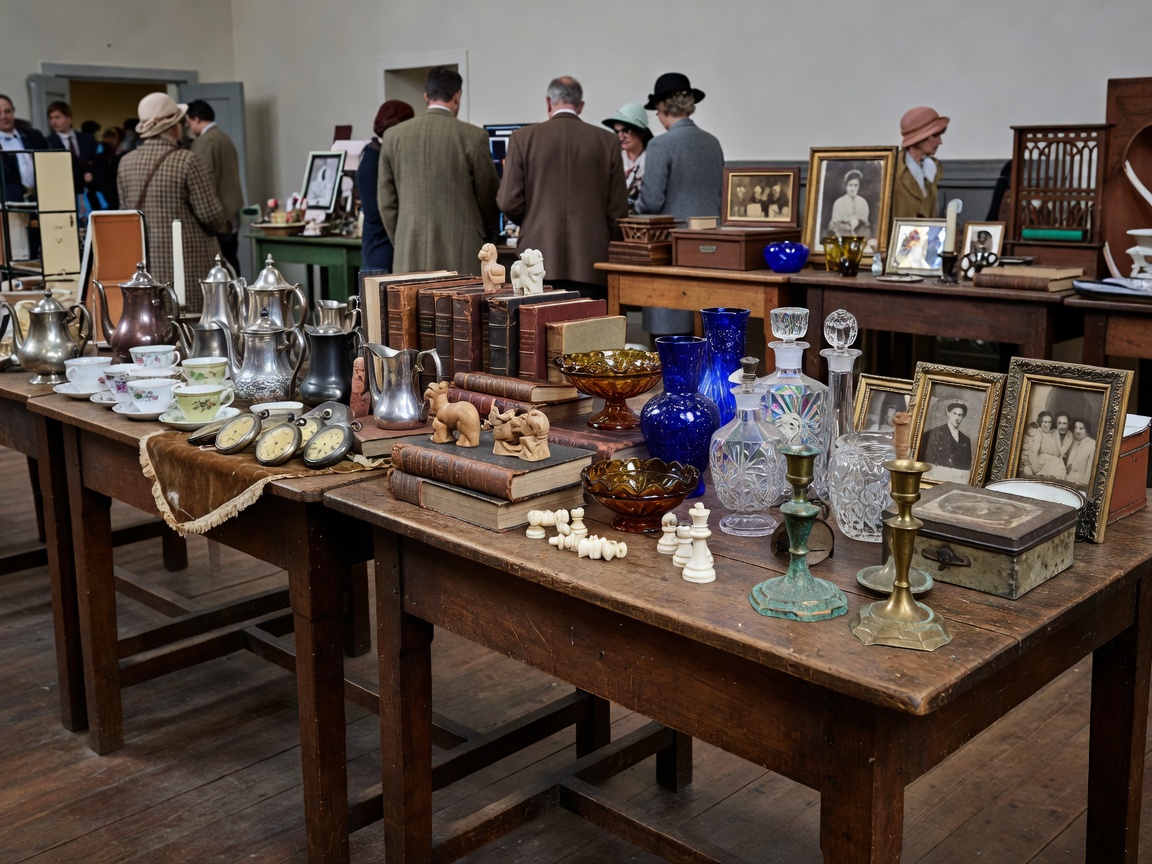
02 / Formats
Separate flea markets, dealer markets, specialist fairs, brocantes, halls and auction-linked events.
Compare market formats →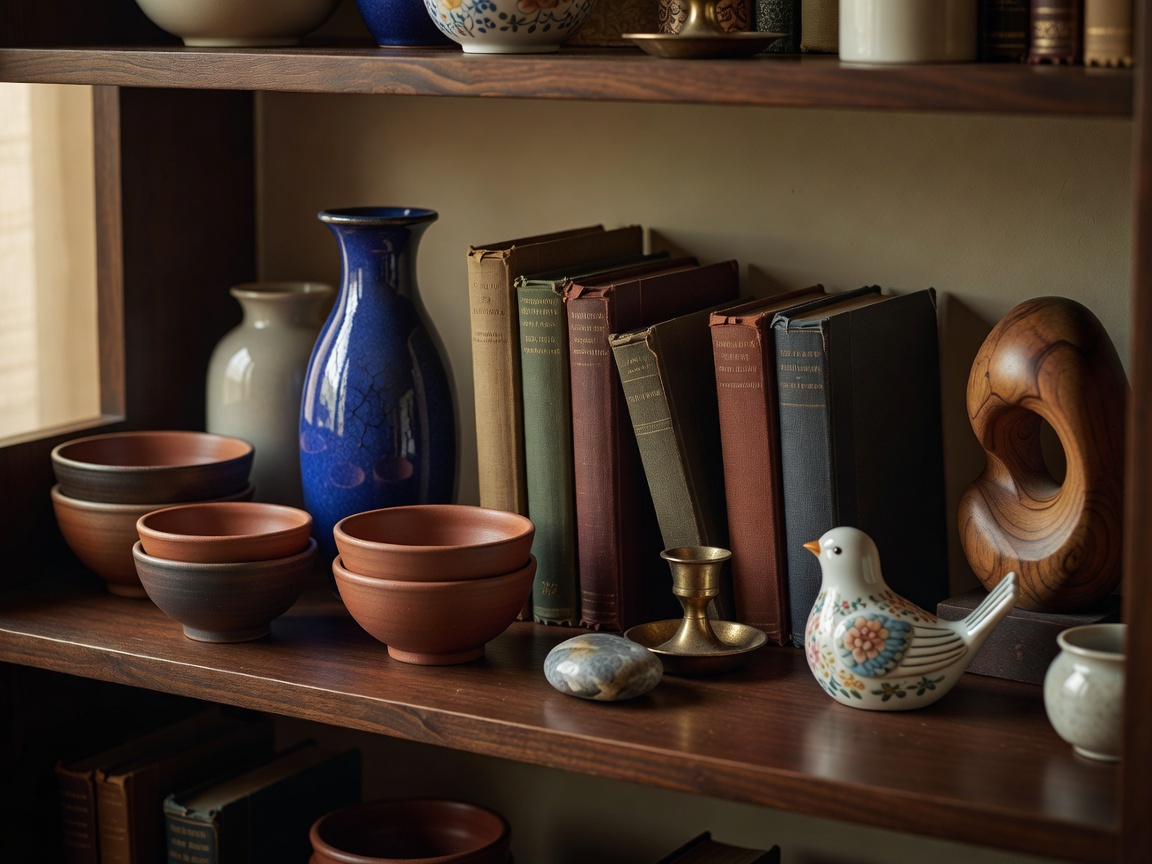
03 / Objects
Assess furniture, ceramics, glass, textiles, books, clocks, metalwork and architectural salvage.
Open the object guide →
04 / Places
Research trading streets, covered halls, specialist quarters and long-running commercial zones.
Study district patterns →
05 / Logistics
Build routes, plan transport, protect purchases and prepare documentation for international buying.
Plan the route →Collector's route / Sequence 006
Choose a collecting context. Materials and traditions vary by place.
Match the format to your time, budget and object category.
Record dimensions, construction, marks and visible condition.
Ask precise questions. Separate evidence from seller opinion.
Agree documentation, payment, collection and transport terms.
Protect the object. Keep receipts and cross-border records.