Build the route
Start with a target region and object category. Group stops by geography, then allow time for browsing, comparison and collection. A route that looks efficient on a map can fail when markets have different operating patterns or when large objects require a vehicle.
Research current venue information directly. Schedules, access, stock and transport conditions can change. Keep one flexible day for unexpected finds or delayed collection.
Seasonal timing
Weather affects outdoor markets, fragile materials and travel reliability. Rain can damage paper, textiles and untreated wood. Heat can affect wax, finishes and some adhesives. Winter daylight reduces time for exterior inspection.
Seasonal conditions do not guarantee better stock or prices. Use them to plan clothing, packing, storage and route safety.
Transport and luggage
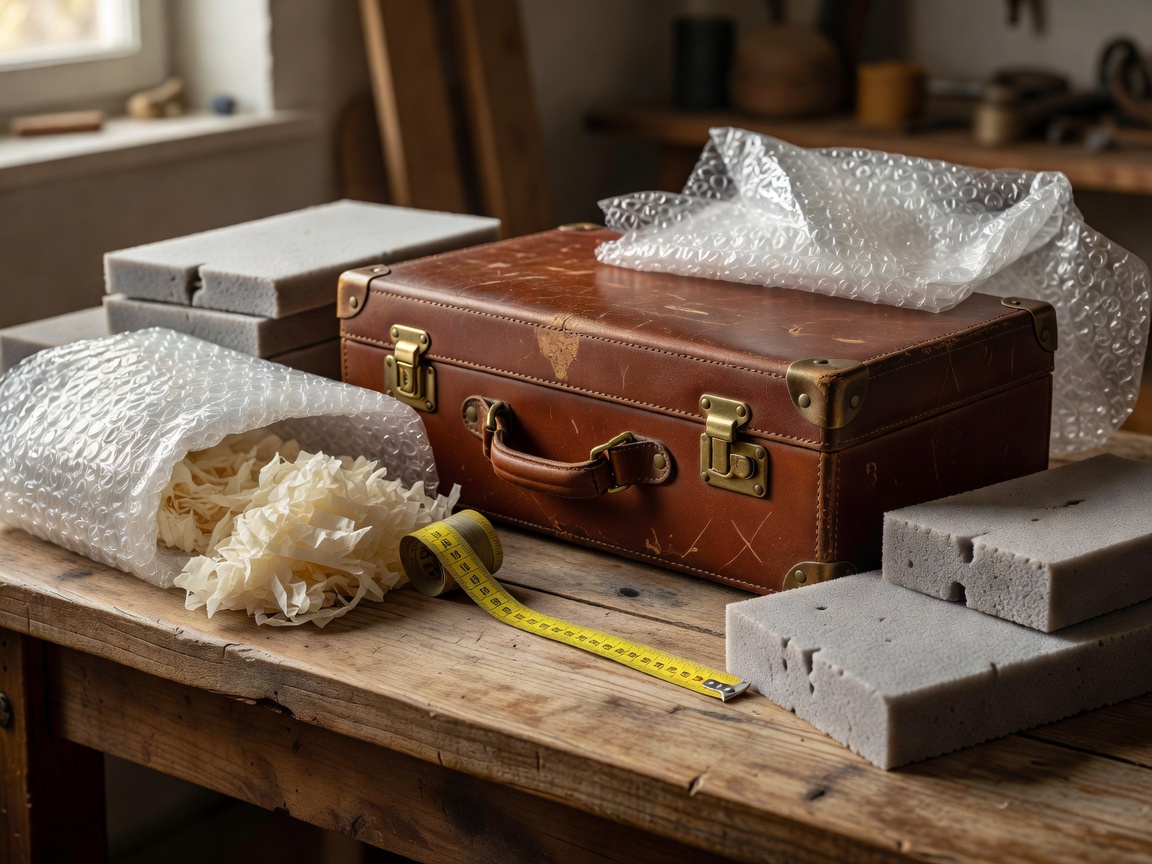
Measure your luggage, vehicle access and accommodation storage before departure. A folding trolley, soft blankets, acid-free tissue, bubble wrap, strong tape, labels and resealable bags cover many basic situations. Do not let packing materials obscure damage during inspection.
For furniture, mirrors, ceramics and architectural salvage, obtain exact dimensions and approximate weight. Confirm whether the seller offers collection or whether a specialist carrier is required.
Payment and budget
Set a purchase ceiling and a separate logistics reserve. Include transport, packaging, insurance, taxes, fees and possible storage. Payment methods vary. Carry a secure alternative without assuming cash, cards or transfers will be accepted.
Keep invoices and written descriptions. Record currency, date, seller details where provided, object description and agreed collection terms.
Documentation and customs
International purchases can involve customs, tax, export controls, import requirements and cultural-property rules. Requirements depend on the countries involved, the object and current regulations. Thresholds and rates can change. Check official sources or use qualified customs advice before travel.
Do not assume an invoice alone proves lawful export, age or provenance. Ask which documents are available and retain copies separately from the object.
Insurance and accommodation
Ask an insurer whether transit, temporary storage, unattended vehicles and fragile objects are covered. Standard travel insurance may not cover antiques or high-value purchases. Accommodation may restrict large items, packaging or commercial deliveries.
Operational checklists
- Before departure: map stops, confirm current information, set a budget and pack measuring tools.
- At the market: inspect condition, photograph details, record dimensions and ask precise questions.
- At purchase: secure an invoice, agree collection and pack by material.
- Before return: check customs, tax, insurance and transport documents.
- After arrival: unpack slowly, retain records and document any transit damage.
Planning boundary: This is general information, not customs, legal, insurance or appraisal advice.