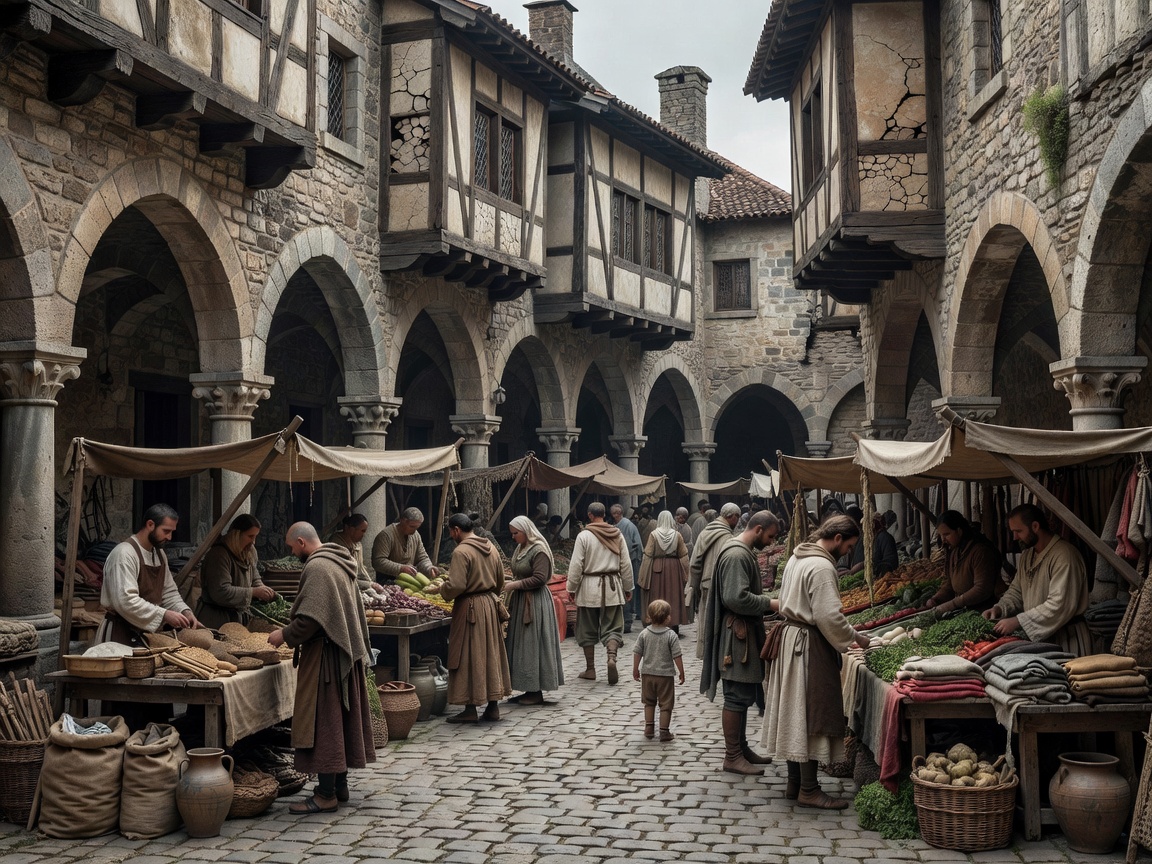
What makes a district useful
Historic market districts are shaped by access, storage, specialist knowledge and repeat trade. They may include a market street, covered hall, warehouse quarter, dealer rooms, workshops or architectural salvage businesses. Some remain active. Others retain only a historical association.
Use the district as a research unit. Identify the object categories, transport constraints, walking distances and current commercial pattern. Do not assume a historic description identifies a current business.
Historic market streets
Older trading streets often combine shops, apartments, cafés, storage and occasional stalls. Their value lies in concentration and context rather than guaranteed stock. Narrow pavements, stairs and loading restrictions can make large purchases difficult.
Research street plans, public transport and local access rules. Build time for independent stops. Inventory changes quickly and a shopfront may represent a different trade from the one described in older sources.
Covered market halls
Covered halls can offer shelter and a clear internal route. Some are permanent dealer environments; others are general food or retail markets with occasional antique activity. Historic architecture does not prove that antiques are the current commercial focus.
Look for current operator information, tenant listings and recent official notices. Treat third-party directories as leads. Confirm before travelling.
Dealer districts
Dealer districts tend to develop around storage, transport, specialist networks and a critical mass of buyers. A district may be strong in furniture, decorative arts, books, design, textiles or architectural material. The categories can change as rents and customer habits change.
Contact businesses directly when an object category matters. Ask about access, viewing arrangements, collection and whether visits require an appointment. Avoid publishing or relying on unverified opening details.
Specialist neighbourhoods
Specialist neighbourhoods may have a visible collecting identity without being formally designated. Look for repeated terminology in local archives, trade publications, historical maps and current cultural listings. Compare sources and dates.
Language matters. Translate object categories carefully. A broad English term may cover several local categories, while a local term may refer to construction, use or period.
Architectural salvage areas
Salvage areas require more logistics than casual browsing. Doors, stone, ironwork, fittings and reclaimed timber need exact dimensions, weight estimates, protective wrapping and a route from seller to vehicle. Building regulations may affect reuse.
Research method
- Start with a current official or operator source.
- Compare recent maps, transport information and local cultural records.
- Separate historical claims from current commercial facts.
- Prepare a walking route with alternative stops.
- Record seller terms, object dimensions and collection limits.
- Expect businesses, schedules and inventories to change.
Research boundary: This guide does not name or verify current dealers, addresses, schedules or inventories.